About this content

First published on 7 July 2024,

Updated on 15 December 2024

Written by Maya Hobart
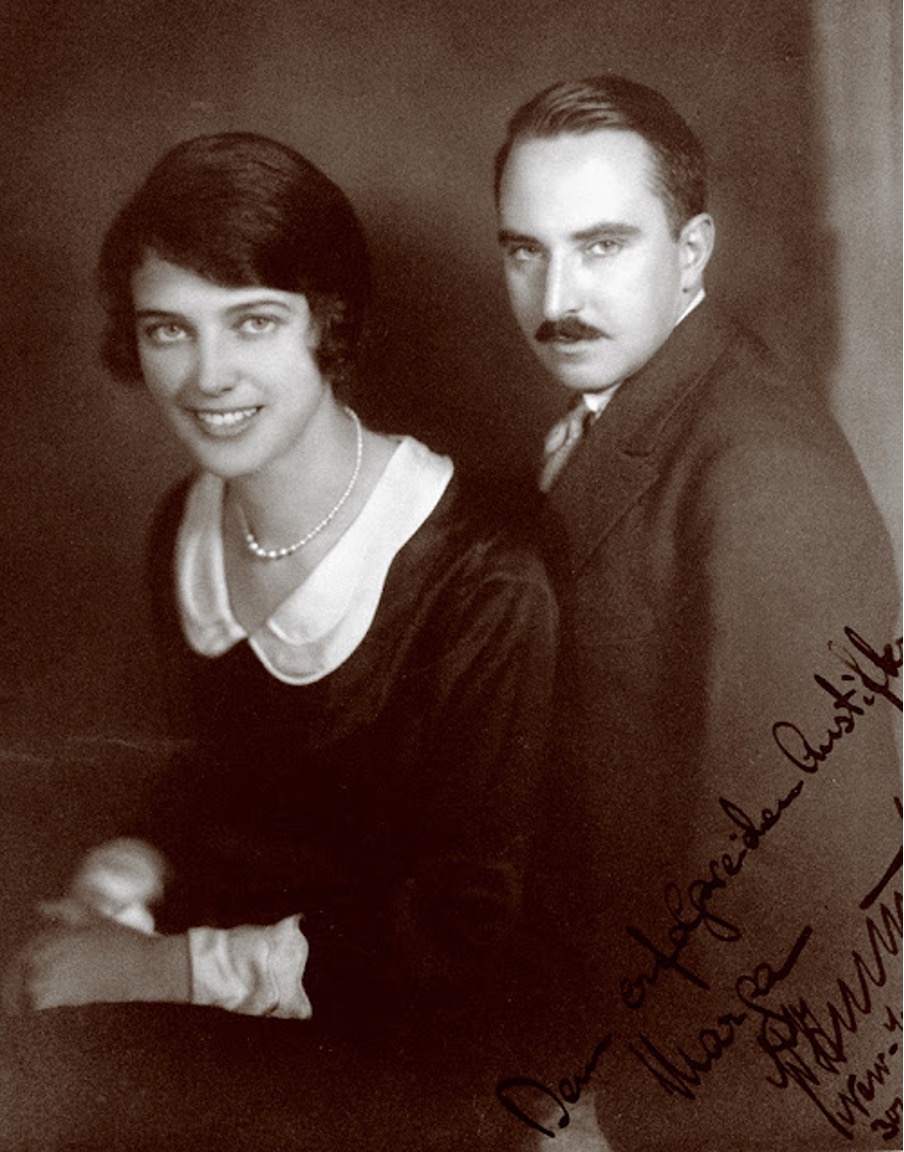
My grandfather, Edmund Stinnes, was born in Germany in 1896. He was the eldest son of the German industrialist Hugo Stinnes. My great-grandfather was successful in the mining, shipping and coal industries and employed over 250,000 workers. There was a currency named after him called the Hugo Stinnes Mark. I know he was partial to bacon and eggs with a bottle of Rhine wine. But I am more interested to discover that Hugo worked closely with trade union members in Germany, to enshrine workers’ rights in 1918.
Edmund was different from the rest of the family. I look at old black-and-white photos of the Stinnes family online and in the Getty archives – Edmund is either absent from the group photos or hovering on the edge of the frame, an outsider from the rest of the family. He was a scholar, dreamer and a pacifist interested in politics, religion, and philosophy.
In 1924, Hugo Stinnes Senior died. He was only 54. The Stinnes industrial empire, built through extensive debt and rapid acquisition, collapsed and went bankrupt shortly after Hugo Stinnes’s death. As Nazism rose to power, Edmund broke away from his family.
Edmund became very close to Gerhart von Schulze-Gäevernitz, a well-known professor of political science at Freiburg University, who was also a Quaker. Edmund fell in love with his beautiful daughter, Margiana.
I scan the archives of old newspapers online. I’ve found an article—another piece of the jigsaw puzzle amongst the old diaries and letters I’m reading. This newspaper article was published in the New York Times on Sunday, November 17, 1929. It says Edmund and Margiana were secretly married by Reverend John Lehnert in the Baptist church of West New York. Their cab driver from New York City was a witness at their wedding.
In 1939 and 1940, the black boot of totalitarianism cast its sinister shadow across Europe. The world trembled and, in 1940, Britain stood alone against the Nazi machine as Hitler’s armies marched across Europe.
In 1940, Edmund and Margiana had to leave Germany for the USA. Margiana’s mother was Jewish, while Edmund’s opposition to Hitler caught the attention of the Nazis. Friends sent Edmund to England, where he was interned as an enemy alien at the beginning of WW2.
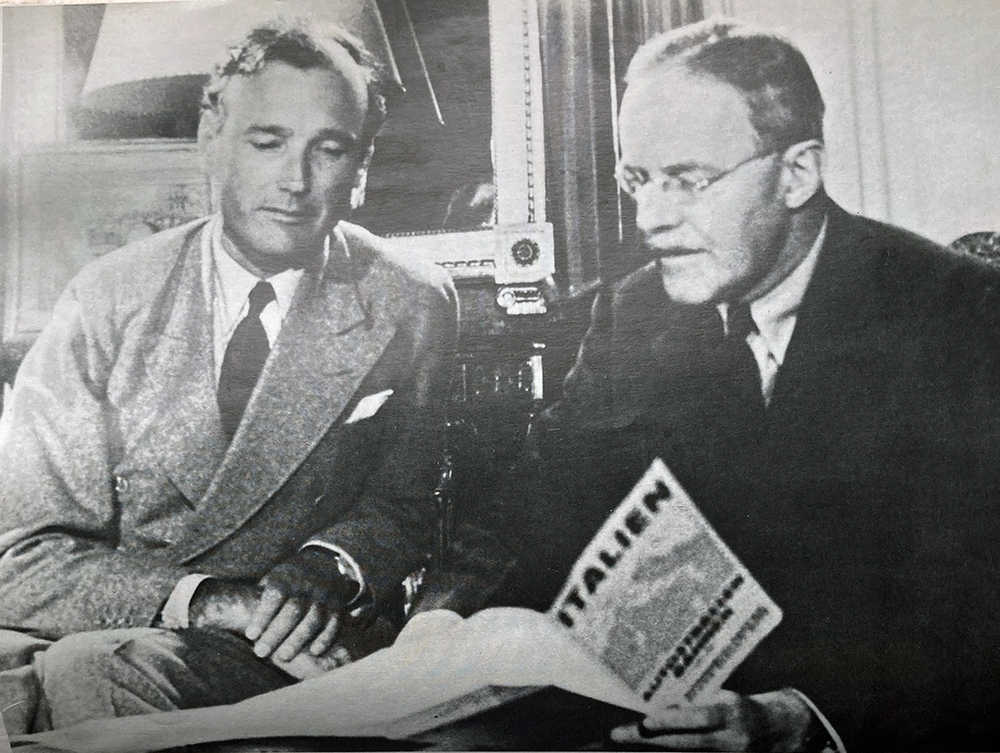
I’m looking at an old map drawn up during the height of the war. The map shows the areas in Europe that were under German control. It comes from an old copy of the book ‘The Secret Surrender’, which is never far from my bedside. Inside it is a note, handwritten in blue ink by Margiana’s brother. It reads:
“To dearest Marga, with warmest wishes and many thanks for all her help from Gero. October 1967.
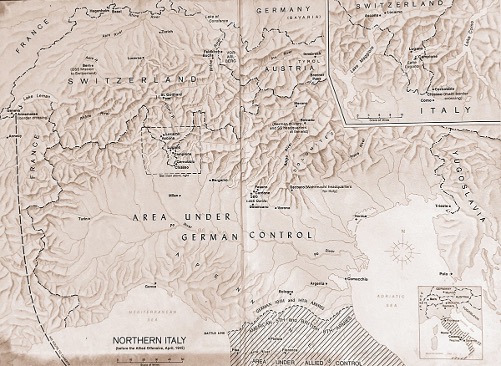
I can see Ascona and Locarno on the Southern tip of Switzerland on the map. My uncle told me that Margiana and the girls first stayed in Celerina, in the Swiss canton of Graubünden, and then moved to Ascona in Southern Switzerland, where Edmund owned property. I track their steps on the map. In 1940, the family left Switzerland. They travelled through Italy, Vichy France and Spain. My aunt remembers that, at some stage, they were driven in an embassy limo with Swastika flags on the fenders. In Portugal, they waited for a close friend who worked with the American Friends Service Committee and took the boat to New York.
The Quakers in Haverford College gave my family sanctuary and Edmund became a professor of political science. He also began travelling to Wall Street and made his own fortune on the stock markets and in property.
From an extract of Maya’s autobiography.
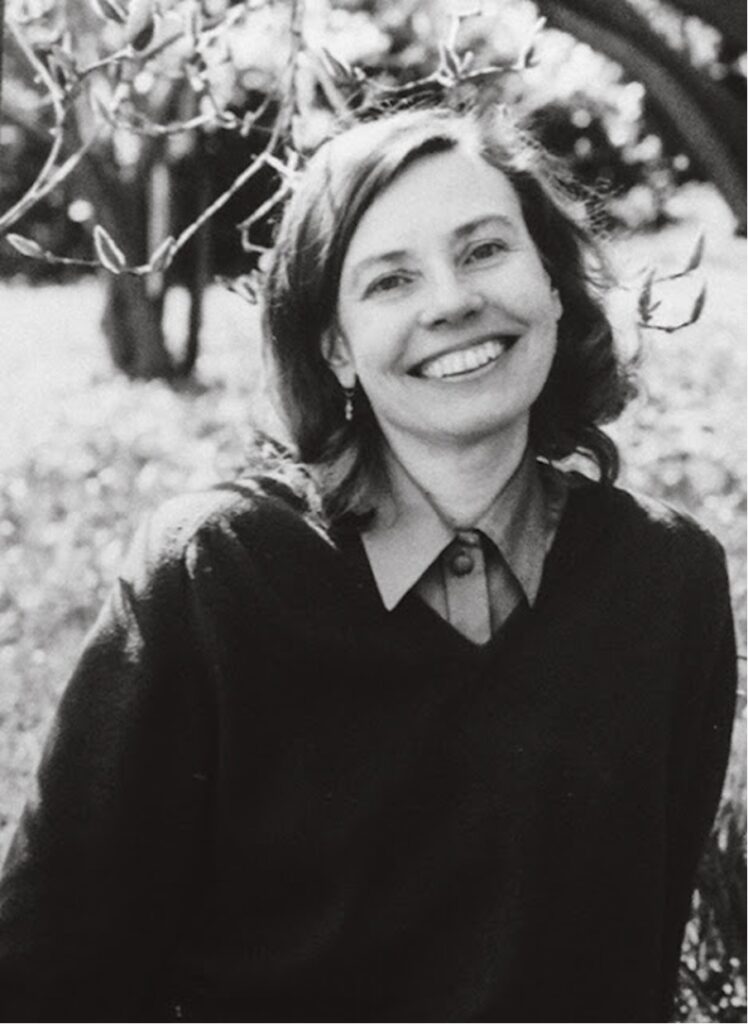
Maya is a photographer and journalist. She is the youngest grandchild of Edmund and Margiana Stinnes vs Gaevernitz. Their three other grandchildren live in the United States.
Sources and notes:
This account draws on family papers and correspondence, published historical records, including extracts from the book ‘A Genius in Chaotic Times’ by Edmund H. Stinnes, ‘The Secret Surrender’ by Allen Dulles, as well as archival newspaper reports, including the New York Times (17 November 1929).
Other sources include an interview with Edmund Stinnes in his home in Ascona, 1975, deposited with both the Hoover Library and Truman Library, Missouri, by Dr Felix Morley, former President of Haverford College, USA.
Published by Outside Voices